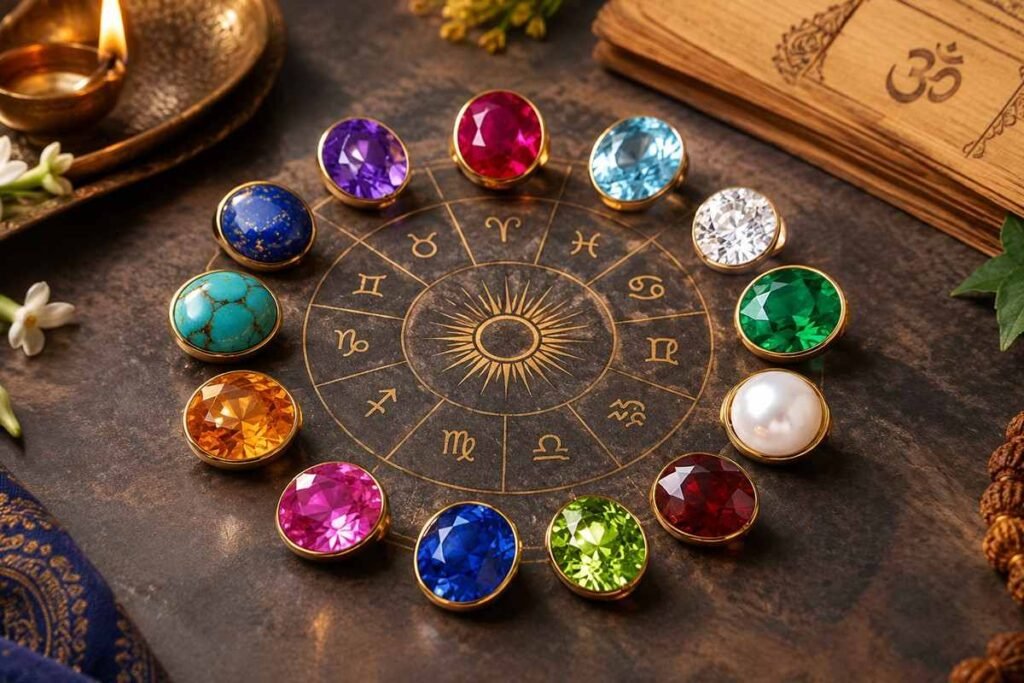
Every month of the year carries its own traditional birthstone, and knowing your birthstone by month is a fun, easy starting point for choosing jewelry that feels personal to you. However, if you follow Vedic astrology, your birth month gemstone is not necessarily the same stone your rashi (Vedic moon sign) actually calls for. Because the Western birthstone calendar and the Vedic rashi ratna system are built on two different foundations, the two lists often disagree. This guide walks through the complete Western birthstone list, month by month, and then bridges the gap to Vedic gemstone recommendations so you understand both systems clearly before you buy or wear a stone.
What Is a Birthstone? Understanding the Western Tradition
A birthstone is a gemstone traditionally associated with the calendar month in which a person is born. The custom is believed to trace back to the Breastplate of Aaron in the Bible, which described twelve gems representing the twelve tribes of Israel. Over centuries, jewelers across Europe and America matched these gems to the twelve months of the year, and the tradition eventually became a retail standard.
In 1912, the National Association of Jewelers (now Jewelers of America) formalized a modern birthstone list for the United States, and it has been updated occasionally since, most recently in 2016 when spinel was added to August. This is why some months, such as June and December, have more than one accepted stone: a traditional pick and a modern alternative. Additionally, different countries sometimes follow slightly different lists, so you may see minor variations depending on where you look.
Today, birthstones are mostly worn as fashion jewelry rather than as a spiritual remedy, and most Western jewelers sell them purely for their color and beauty. For example, a September baby might choose a sapphire pendant simply because blue suits their wardrobe, with no astrological intention behind the choice. This is an important distinction to keep in mind as we move into the Vedic side of this guide, because Vedic gemstone selection works very differently.
Birthstone by Month: The Complete List (January to December)
Below is the full modern birthstone by month list used most widely today. Use it as a starting guide, and then read the Vedic Crossover section further down before you decide to wear any stone for astrological reasons.
January to March
- January – Garnet: A deep red stone symbolizing protection and friendship.
- February – Amethyst: A purple quartz associated with calm and clarity.
- March – Aquamarine or Bloodstone: A pale blue-green stone linked to courage, with bloodstone as the traditional alternative.
April to June
- April – Diamond: The hardest natural gemstone, representing eternal love and strength.
- May – Emerald: A vivid green stone tied to renewal and fertility.
- June – Pearl, Moonstone or Alexandrite: June is unusual in offering three options, ranging from the classic organic pearl to the color-changing alexandrite.
July to September
- July – Ruby: A rich red corundum stone symbolizing passion and vitality.
- August – Peridot or Spinel: Peridot brings a fresh olive-green tone, while spinel was added as a modern alternative in 2016.
- September – Sapphire: A blue corundum stone (though sapphires occur in many colors) associated with wisdom and loyalty.
October to December
- October – Opal or Tourmaline: Opal is prized for its play of color, while tourmaline offers a wide spectrum of shades as the modern option.
- November – Topaz or Citrine: Both are warm, golden-toned stones associated with confidence and abundance.
- December – Turquoise, Tanzanite or Zircon: December closes the year with three cool-toned choices, from ancient turquoise to the more recently discovered tanzanite.
The Vedic Crossover: Birthstone vs Vedic Rashi Ratna
This is where most people get confused, so it is worth explaining clearly. The Western birthstone by month system is based purely on your Gregorian birth month, the same calendar used for birthday cards and horoscope columns in newspapers. It has no connection to planetary positions, your rising sign, or your moon sign at the moment of birth.
Vedic astrology, on the other hand, recommends a gemstone (ratna) based on your rashi, which is your moon sign in the sidereal zodiac, along with the strength and placement of planets in your actual birth chart (kundli). Therefore, someone born in April under the Western system would default to diamond, yet if that person’s Vedic rashi is Karka (Cancer), a Vedic astrologer may instead recommend pearl (Moti) for the moon, because the moon rules Cancer and pearl strengthens it. The two recommendations can point in completely different directions, and that difference is the crossover this guide is named for.
We cover the full month-by-month to rashi-by-rashi gemstone logic, including which planet each stone strengthens and how doshas affect the recommendation, in our detailed Gemstone by Rashi guide. If you already know your rashi, that article is the better next stop for a stone recommendation rooted in Vedic principles rather than your birth month alone.
Vedic tradition also recognizes the Navaratna, a set of nine gemstones representing the nine grahas (planetary bodies) used in Vedic astrology, which is a separate concept from the twelve Western birthstones. Because Navaratna stones are chosen to balance all nine planets together rather than to match a single birth month, they follow their own selection rules that a qualified astrologer applies to your specific kundli.
For a broader overview of how the Western birthstone custom developed, Wikipedia’s entry on the birthstone tradition is a useful reference. However, remember that it describes a cultural and retail custom, not an astrological remedy, so it should not be treated as a substitute for a Vedic consultation.
This pattern repeats across other signs too. A June-born person following the Western list might reach for a pearl or moonstone anyway, which happens to overlap with the Vedic pearl recommendation for Karka rashi, purely by coincidence rather than design. However, a September-born person whose Western stone is sapphire could have a rashi that calls for red coral or yellow sapphire instead, depending on which planets need strengthening in their specific kundli. Therefore, overlap between the two systems does happen occasionally, but it should never be assumed.
Should You Follow Your Birthstone or Your Rashi Ratna?
For everyday fashion jewelry, your birthstone by month is a perfectly enjoyable tradition to follow, and there is nothing wrong with wearing it simply because you like it. For an astrological remedy meant to strengthen a specific planet, reduce the effect of a dosha, or support a life goal such as marriage, career or health, however, only a Vedic rashi ratna recommendation based on your actual kundli should be relied upon. Mixing up the two purposes is the most common mistake people make when they search for birthstone guidance online.
How to Choose and Wear Your Gemstone Correctly
Once you know whether you want to follow your Western birthstone by month, your Vedic rashi ratna, or both, the next step is wearing it correctly. In Vedic practice, factors such as the metal setting, the finger you wear it on, the exact weight in carats, and even the day and time you first put it on all influence how effectively a gemstone works.
We explain these wearing rules, along with common doshas such as Mangal Dosha and Shani Sade Sati that can change which stone suits you, in detail in our Gemstone by Rashi article, so we will not repeat every step here. For a deeper look at how specific planetary weaknesses and doshas show up in a birth chart, our guide to Kundli Doshas and Remedies is a helpful companion read, and if your interest is career-related timing, our Kundli Reading for Career article covers how planetary periods affect professional growth.
In short, treat your birthstone by month as a pleasant tradition and a nice piece of jewelry trivia, but treat your Vedic ratna recommendation as the one to rely on for astrological remedies. Wearing the wrong stone for the wrong reason rarely causes serious harm, but wearing a Vedic ratna incorrectly, without checking your kundli first, can sometimes work against you instead of for you.
Consult Astrologer R.K Sharma Ji for Personalized Vedic Gemstone Guidance
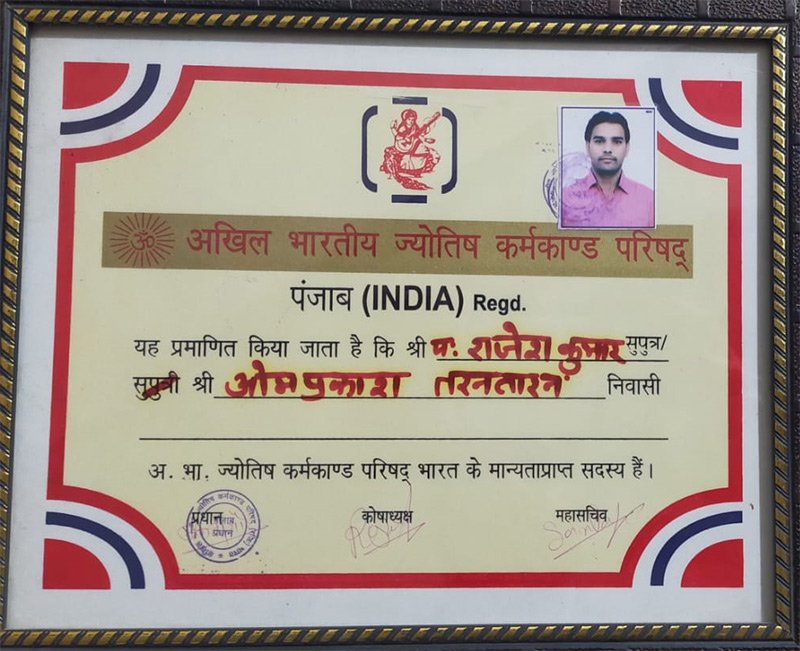
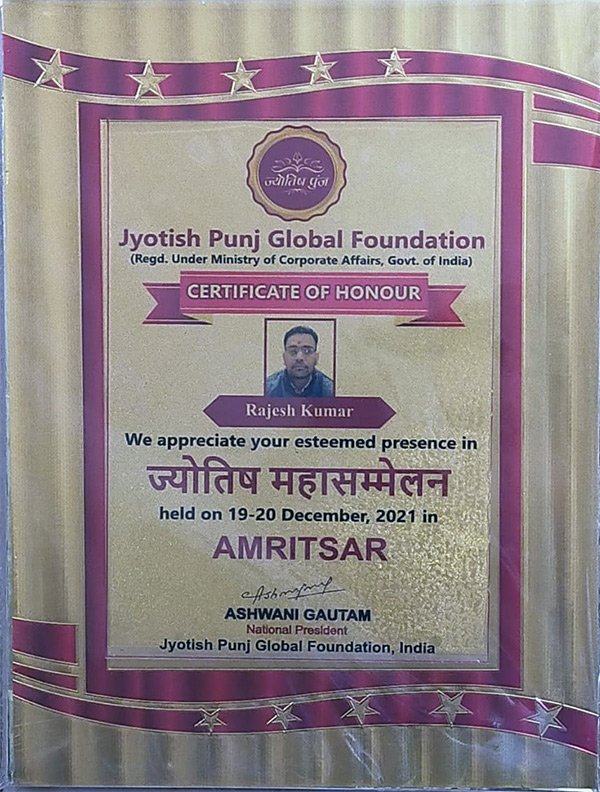
Astrologer R.K Sharma Ji, based in Tarn Taran Sahib, Punjab, has guided thousands of clients across India and abroad on authentic Vedic gemstone selection, kundli analysis, and remedies for career, marriage, health, and financial concerns. Instead of guessing from a birthstone by month chart or a generic rashi list online, a personal consultation looks at your complete birth chart, current planetary period, and any active doshas before recommending a stone.
If you would like a personalized Vedic gemstone recommendation, or want to understand our full Gemstone Recommendation service, book a consultation with Astrologer R.K Sharma Ji today for guidance based on your actual birth chart rather than your birth month alone.
If you are wondering how this compares to the Western tradition, see our Birthstone vs Rashi Ratna comparison guide for a clear side-by-side breakdown of both systems.
Frequently Asked Questions
What is my birthstone by month?
Your birthstone by month is the gemstone traditionally linked to your Gregorian birth month, for example garnet for January or sapphire for September. See the full month-by-month list above for every month from January to December.
Is my birthstone the same as my Vedic rashi gemstone?
Not necessarily. Your birthstone by month is based only on your calendar birth month, while your Vedic rashi ratna is based on your moon sign and the planetary positions in your birth chart, so the two recommendations often differ.
Can I wear my birthstone even if it does not match my rashi?
Yes, wearing your Western birthstone as fashion jewelry is generally fine since it carries no astrological obligation. However, if you want the stone to work as an astrological remedy, you should wear the gemstone recommended for your rashi instead.
Why do some months have more than one birthstone?
Months such as June, August, October and December have both a traditional stone and a modern alternative because jewelry associations updated the original 1912 list over time, most recently adding spinel to August in 2016.
What is a Navaratna and how is it different from a birthstone?
A Navaratna is a set of nine Vedic gemstones representing the nine planetary bodies used in Vedic astrology, chosen together to balance a birth chart. This differs from the twelve Western birthstones, which are each linked to a single calendar month rather than a planet.
How can I find out my correct Vedic gemstone?
The safest way is a personal kundli reading with a qualified Vedic astrologer, who checks your rashi, current planetary period and any doshas before recommending a stone. Astrologer R.K Sharma Ji offers personalized gemstone consultations based on your complete birth chart.